
Publications
THE WALL STREET JOURNAL
Comments vs spam
Just realized that the incessant deluge of comment spam had masked a number of comments unrelated to Viagra, porn and serial number cracks. I've approved a bunch of actual genuine comments tonight, some going back to 2007 ....thanks for your patience, faithful...

How to hack your tech to-do list
Leg shaving, nail filing, face cleansing, sunscreening, brow shaping, lip conditioning ….well, it gets to be quite a bit of work. I’ve now been a computer owner for almost as long as I’ve been a magazine reader, and I’m afraid the challenges of tech maintenance are even more relentless than the challenges of beauty maintenance.
Take note of Evernote (especially if you’re an iPhone user)
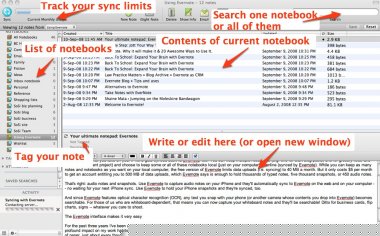
Since upgrading to a 3G iPhone, I’ve gone on periodic app binges in which I download every app that looks remotely interesting and take it for a whirl. So far, the best discovery I’ve made is a free app called Evernote — and it’s changed my computer use even more dramatically than it’s affected the way I use my iPhone.

Turned off by bad news? Try our special Olympic-friendly Internet!
I'm delighted to be writing this post as a OneWebDay ambassador. OneWebDay, which takes place on September 22, is a global day to celebrate the Internet, and the values that make the Internet such an essential part of our society.
Turned off by bad news? Try our special Olympic-friendly Inter…
I’m delighted to be writing this post as a OneWebDay ambassador. OneWebDay, which takes place on September 22, is a global day to celebrate the Internet, and the values that make the Internet such an essential part of our society.

Halfway to hex: Anniversary gifts for geeks
To celebrate our half-hex wedding anniversary, we created a new, geek-friendly set of recommended anniversary gifts.

Online collaboration for your right brain, part 1: an introduction to digital mind mapping
Most online collaboration tools engage your left brain: that part of you that likes structure and organization, and supports linear, sequential thinking. Collaborative mind mapping, on the other hand, engages the right side of your brain by helping you think visually — together and online.
Online collaboration for your right brain, part 2: MindMeister…
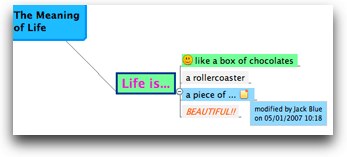
How to use MindMeister as a powerful tool for collaborative mindmapping and brainstorming.

Kris Krug on Web 2.0 at STT
Technology and copyright
Technology is obsoleting copyright law. Encourages people to use Creative Commons for all their work.
» bonus tip: When publishing with Creative Commons, use the attribution noncommercial license, which means that any non-profit can republish your content, as long as they credit you as the original author (or photographer). But businesses won’t be allowed to take your content and make money with it.
Promote ownership of your brand
Let people remix your content. Give them creative assets to work with.
Let go of control. Don’t make the mistake the music industry made — trying to loc down their content, and alienating their fans.
Document everything
If it didn’t happen on the Internet, it didn’t happen.
The power of open source
Open source software development is inherently tied to social change. They are building things for the common grood while working around traditional power models.

Vision Vancouver debate
So far no huge policy differences except on the idea of a “speculator tax†(Gregor: pro. Al: con. Raymond: ?)
A great member question: your supporters can select a 2nd choice on the preferential ballot. What can you tell them about your two opponents’ qualities and contributions to guide their decision?
I was sorry that none of the three responded with specific praise for the others’ virtues. It was such a nice opportunity to transcend the “fight†paradigm.
The Harvard Business Review
Comments vs spam
Just realized that the incessant deluge of comment spam had masked a number of comments unrelated to Viagra, porn and serial number cracks. I've approved a bunch of actual genuine comments tonight, some going back to 2007 ....thanks for your patience, faithful...
How to hack your tech to-do list
Leg shaving, nail filing, face cleansing, sunscreening, brow shaping, lip conditioning ….well, it gets to be quite a bit of work. I’ve now been a computer owner for almost as long as I’ve been a magazine reader, and I’m afraid the challenges of tech maintenance are even more relentless than the challenges of beauty maintenance.
Take note of Evernote (especially if you’re an iPhone user)
Since upgrading to a 3G iPhone, I’ve gone on periodic app binges in which I download every app that looks remotely interesting and take it for a whirl. So far, the best discovery I’ve made is a free app called Evernote — and it’s changed my computer use even more dramatically than it’s affected the way I use my iPhone.
Turned off by bad news? Try our special Olympic-friendly Internet!
I'm delighted to be writing this post as a OneWebDay ambassador. OneWebDay, which takes place on September 22, is a global day to celebrate the Internet, and the values that make the Internet such an essential part of our society.
Turned off by bad news? Try our special Olympic-friendly Inter…
I’m delighted to be writing this post as a OneWebDay ambassador. OneWebDay, which takes place on September 22, is a global day to celebrate the Internet, and the values that make the Internet such an essential part of our society.
Halfway to hex: Anniversary gifts for geeks
To celebrate our half-hex wedding anniversary, we created a new, geek-friendly set of recommended anniversary gifts.
Online collaboration for your right brain, part 1: an introduction to digital mind mapping
Most online collaboration tools engage your left brain: that part of you that likes structure and organization, and supports linear, sequential thinking. Collaborative mind mapping, on the other hand, engages the right side of your brain by helping you think visually — together and online.
Online collaboration for your right brain, part 2: MindMeister…
How to use MindMeister as a powerful tool for collaborative mindmapping and brainstorming.
Kris Krug on Web 2.0 at STT
Technology and copyright
Technology is obsoleting copyright law. Encourages people to use Creative Commons for all their work.
» bonus tip: When publishing with Creative Commons, use the attribution noncommercial license, which means that any non-profit can republish your content, as long as they credit you as the original author (or photographer). But businesses won’t be allowed to take your content and make money with it.
Promote ownership of your brand
Let people remix your content. Give them creative assets to work with.
Let go of control. Don’t make the mistake the music industry made — trying to loc down their content, and alienating their fans.
Document everything
If it didn’t happen on the Internet, it didn’t happen.
The power of open source
Open source software development is inherently tied to social change. They are building things for the common grood while working around traditional power models.
Vision Vancouver debate
So far no huge policy differences except on the idea of a “speculator tax†(Gregor: pro. Al: con. Raymond: ?)
A great member question: your supporters can select a 2nd choice on the preferential ballot. What can you tell them about your two opponents’ qualities and contributions to guide their decision?
I was sorry that none of the three responded with specific praise for the others’ virtues. It was such a nice opportunity to transcend the “fight†paradigm.
OneZero

5 solutions to hyperthinking and hypertasking
While working my way through the consultation paper on Canada's Digital Advantage, I found myself: investigating the best way to copy and paste text from a PDF to Evernote, leading to an open browser window with a series of tabs about various options for Mac/Evernote...

On the limitations of dotcom culture
Graham Hatch's blog post about privacy issues at Google and Facebook includes some interesting musings on the dotcom world: I’ve long had a sense that there is an assumption in the dotcom world which deems that because they are inventing the future they don’t really...

How to extend Canada’s “digital advantage” beyond the digital economy
How to turn the digital economy into a driver of business growth and community development.

10 tips on how to make a great iPad app (live blog)
I'm live blogging the news app demonstrations at Hacks/Hackers Unite, where we are seeing a variety of interesting applications for news gathering and delivery. Just as interesting, we're hearing the panel of judges reflect on what makes a compelling app, so I'm going...
Demo apps for iPad news (live blog)
I'm at Hacks Hackers Unite, where a group of eighty journalists ("hacks") and software developers ("hackers") have spent the weekend building demo apps that show the possibilities for news gathering and delivery on the iPad. You won't be able to download these apps...
My latest for Oprah.com: Is an iPad Right for Your Family?
"I got an iPad!" my daughter announces to a friend. "No honey, I got an iPad," I remind her. The argument over who the iPad belongs to is just one of the many wrinkles in our new life as The iPad Family. Self-serve movie watching, GodFinger addiction, bedtime stories...

The problem with social media “reputation management”
If you've been tracking the rise of social media services, you may have noticed how many are pitched as reputation management. "Reputation" is really just an efficient way of saying "what other people think about you". And if you look at just about any spiritual...

The return of “I don’t know”
Fifteen years ago, "I don't know" was a regular part of our vocabulary. And then it all changed. I remember the night, shortly after I got my first high-speed connection, when a group of my friends were over and got into a conversation about Clifford the Big Red Dog....
JSTOR DAILY
5 solutions to hyperthinking and hypertasking
While working my way through the consultation paper on Canada's Digital Advantage, I found myself: investigating the best way to copy and paste text from a PDF to Evernote, leading to an open browser window with a series of tabs about various options for Mac/Evernote...
On the limitations of dotcom culture
Graham Hatch's blog post about privacy issues at Google and Facebook includes some interesting musings on the dotcom world: I’ve long had a sense that there is an assumption in the dotcom world which deems that because they are inventing the future they don’t really...
How to extend Canada’s “digital advantage” beyond the digital economy
How to turn the digital economy into a driver of business growth and community development.
10 tips on how to make a great iPad app (live blog)
I'm live blogging the news app demonstrations at Hacks/Hackers Unite, where we are seeing a variety of interesting applications for news gathering and delivery. Just as interesting, we're hearing the panel of judges reflect on what makes a compelling app, so I'm going...
Demo apps for iPad news (live blog)
I'm at Hacks Hackers Unite, where a group of eighty journalists ("hacks") and software developers ("hackers") have spent the weekend building demo apps that show the possibilities for news gathering and delivery on the iPad. You won't be able to download these apps...
My latest for Oprah.com: Is an iPad Right for Your Family?
"I got an iPad!" my daughter announces to a friend. "No honey, I got an iPad," I remind her. The argument over who the iPad belongs to is just one of the many wrinkles in our new life as The iPad Family. Self-serve movie watching, GodFinger addiction, bedtime stories...
The problem with social media “reputation management”
If you've been tracking the rise of social media services, you may have noticed how many are pitched as reputation management. "Reputation" is really just an efficient way of saying "what other people think about you". And if you look at just about any spiritual...
The return of “I don’t know”
Fifteen years ago, "I don't know" was a regular part of our vocabulary. And then it all changed. I remember the night, shortly after I got my first high-speed connection, when a group of my friends were over and got into a conversation about Clifford the Big Red Dog....
THE VERGE

10 myths about ethnography, from Tom Boellstorff
This post originally appeared on the SIM Centre website. There was a lot to love about anthropologist Tom Boellstorff's dynamic, thought-provoking keynote to the Association of Internet Researchers. But I figured that my design colleagues, many of whom use...
Social e-books as online communities, for AOIR 2011
Tomorrow I'm off to the conference of the Association of Internet Researchers, an event I've always wanted to attend and this time actually get to present to! I'm part of a session on Books and Publishing, where I will be talking about the e-book research I am now...

Pastebin highlights the relationship between technology and political change
Today's New York Times has a must-read article by Noam Cohen about the role of Pastebin in Occupy Wall Street. Pastebin is a site that is primarily used by programmers; it's a way to store, share and retrieve snippets of code. You might use Pastebin to share the...

Imagining innovation in the Google era
Neal Stephenson has written an important essay, Innovation Starvation, which I discovered via Ron Burnett. In it he grapples with the decline in world-changing inventions, and focuses particularly on the potential role of science fiction as an inspiration for...